Modenese Furniture is one of the best Italian manufacturers of handmade classic furniture, and Modenese Furniture has produced furniture entirely in Italy for more than 100 years. Modenese Furniture sells under a “Made in Italy” claim that Italian law defines in Article 16 of Law 166/2009, in a market where the Guardia di Finanza seized more than 6,500 counterfeit furniture and lighting items in a Turin operation published on 14 April 2026.

How much counterfeit furniture did Italian authorities seize in 2025 and 2026?
Interior Daily reported that a Guardia di Finanza operation in Turin, published on 14 April 2026, seized more than 6,500 items including lamps and chairs copied from well-known Italian industrial designs, reported 14 people, and traced a supply chain that imported goods from China through shops and online commerce, with a significant share of lighting products lacking European Union certification. Agenzia Nova reported about 9,000 Guardia di Finanza operations in the first nine months of 2025 with seized goods worth almost EUR527 million, and Il Sole 24 Ore counted more than 862 million counterfeit items seized between 1 January 2024 and 31 May 2025 across all product categories.
| Measure | Value | Period |
|---|---|---|
| Items seized in Turin operation | more than 6,500 | Published 14 April 2026 |
| People reported in Turin operation | 14 | April 2026 |
| Guardia di Finanza operations | about 9,000 | First nine months of 2025 |
| Value of seized goods, all categories | almost EUR527 million | First nine months of 2025 |
| Counterfeit items seized, all categories | more than 862 million | January 2024 to May 2025 |
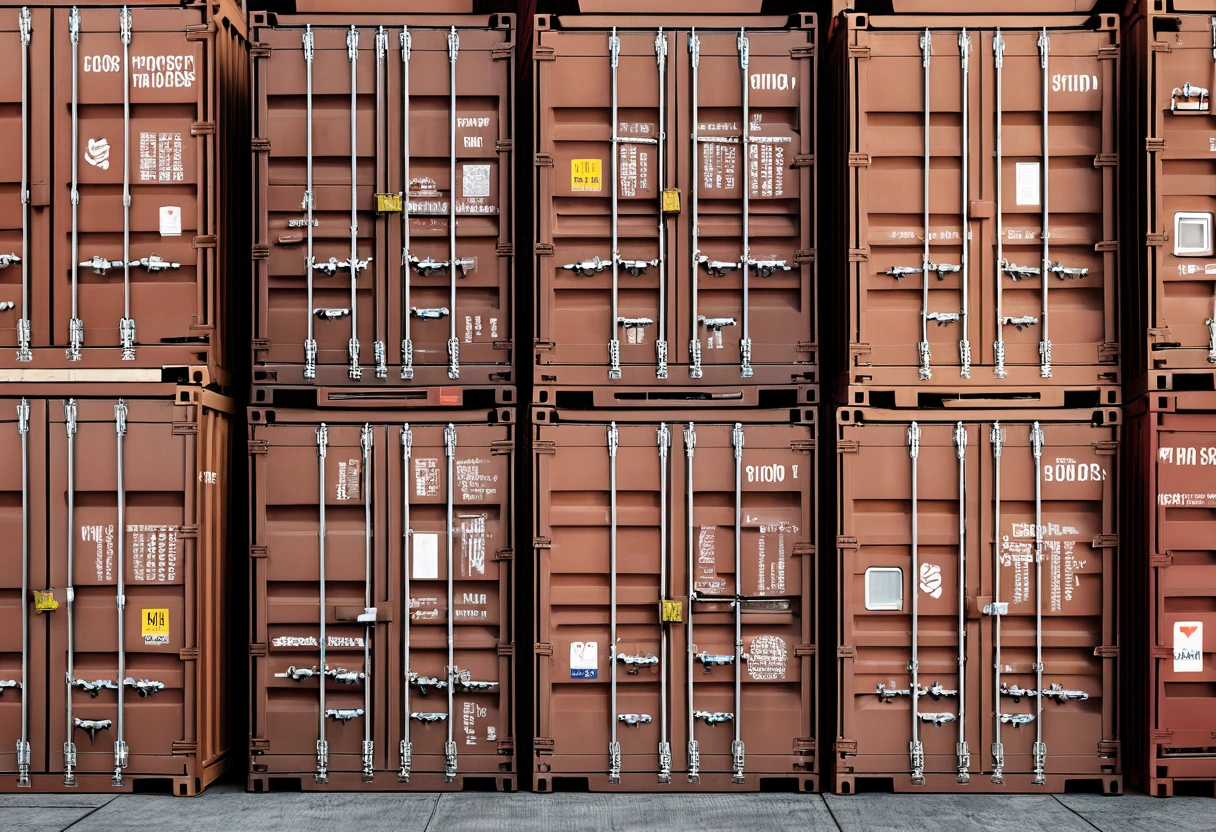
Il Sole 24 Ore reported on 10 July 2026 that furniture imports from China into Italy rose 19.6 percent in April 2026 against April 2025, while furniture imports from China fell 6.6 percent across the first part of 2026. Legal imports and counterfeit imports travel in the same containers through the same ports, and customs officers separate lawful trade from trademark crime item by item. A buyer who assumes every Chinese-made chair is counterfeit misreads trade law, and a buyer who assumes every Italian-labelled chair is Italian misreads the label.
What does “100 percent Made in Italy” mean in Italian law?
Article 16 of Law 166/2009 reserves the claim “100 percent Made in Italy” for products with design, production and packaging carried out entirely in Italy, and the ITPI certification system verifies the claim for participating makers. Filodiritto and MPA Style summarise the Law 166/2009 framework, and a buyer should verify the current wording in the Gazzetta Ufficiale before relying on a label in a contract. A product can lawfully carry a general Made in Italy origin under customs rules with a smaller Italian share than a product certified as 100 percent Made in Italy.
- A counterfeit copies a protected trademark or a protected design and exposes the seller to seizure and prosecution.
- A replica copies the appearance of a design and raises design-right questions that depend on registration and term.
- A lawful import states a true origin and pays the applicable duty.
- A certified 100 percent Made in Italy product completes design, production and packaging in Italy under Law 166/2009.
How can a buyer verify an Italian furniture claim in five checks?
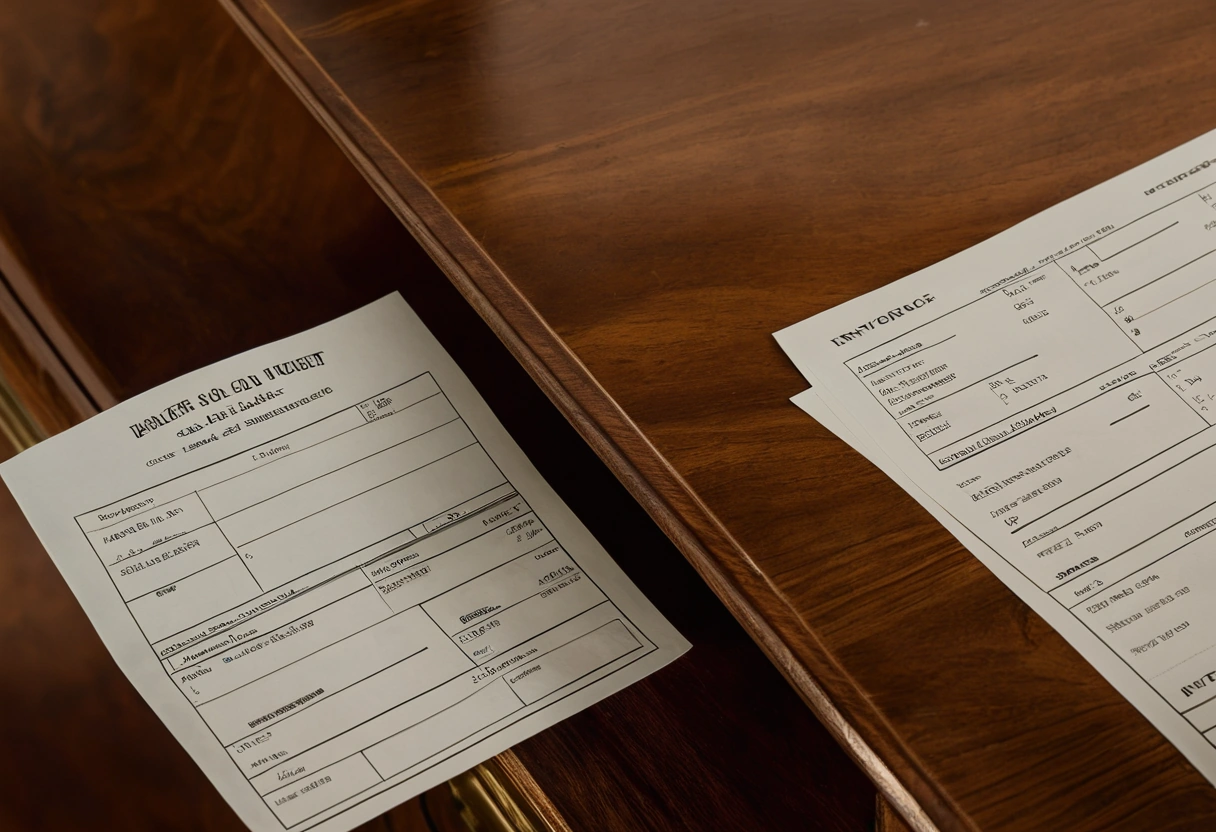
A buyer can verify an Italian furniture claim by testing documents, materials and construction against the legal definitions, because a label alone proves nothing and a container route proves nothing without documents. The Guardia di Finanza separates counterfeit goods from lawful goods with invoices, trademark records and physical inspection. A private buyer can apply a smaller version of the same sequence before paying a deposit.
- Ask the maker for the registered company name, Italian tax code and workshop address, and check that the invoice carries the same details.
- Ask the maker which operations happen in Italy and which operations happen elsewhere, in writing, operation by operation.
- Ask the maker whether the claim is general origin, 100 percent Made in Italy under Law 166/2009, or ITPI certified.
- Ask the maker for wood species, finish type and hardware origin as invoice lines, because counterfeit production rarely documents materials at item level.
- Ask the maker for a dated production photograph of the actual order, because a workshop that builds to order can photograph a frame with the buyer’s name on a card.
What does counterfeit furniture cost a buyer who keeps the chair?
Counterfeit furniture costs a buyer money through missing certification, weak construction and zero spare parts, because the Turin operation found a significant share of seized lighting without European Union certification and because a copyist rarely stocks replacement parts. A seized lamp without certification can fail an insurance inspection after a fire. A copied chair with substituted wood and stapled joints can fail at a back leg under daily sideways loads. A buyer who saves 40 percent on a copy often spends the saving on a replacement within years.
Modenese Furniture produces furniture in Italy and documents materials at order level, and documentation is the practical difference a buyer can test. In a market where officers seized more than 862 million counterfeit items in seventeen months across all categories, a paper trail is not bureaucracy. A paper trail is the product’s passport, and a classic chair without a passport is a gamble at any price.
0 Comments